

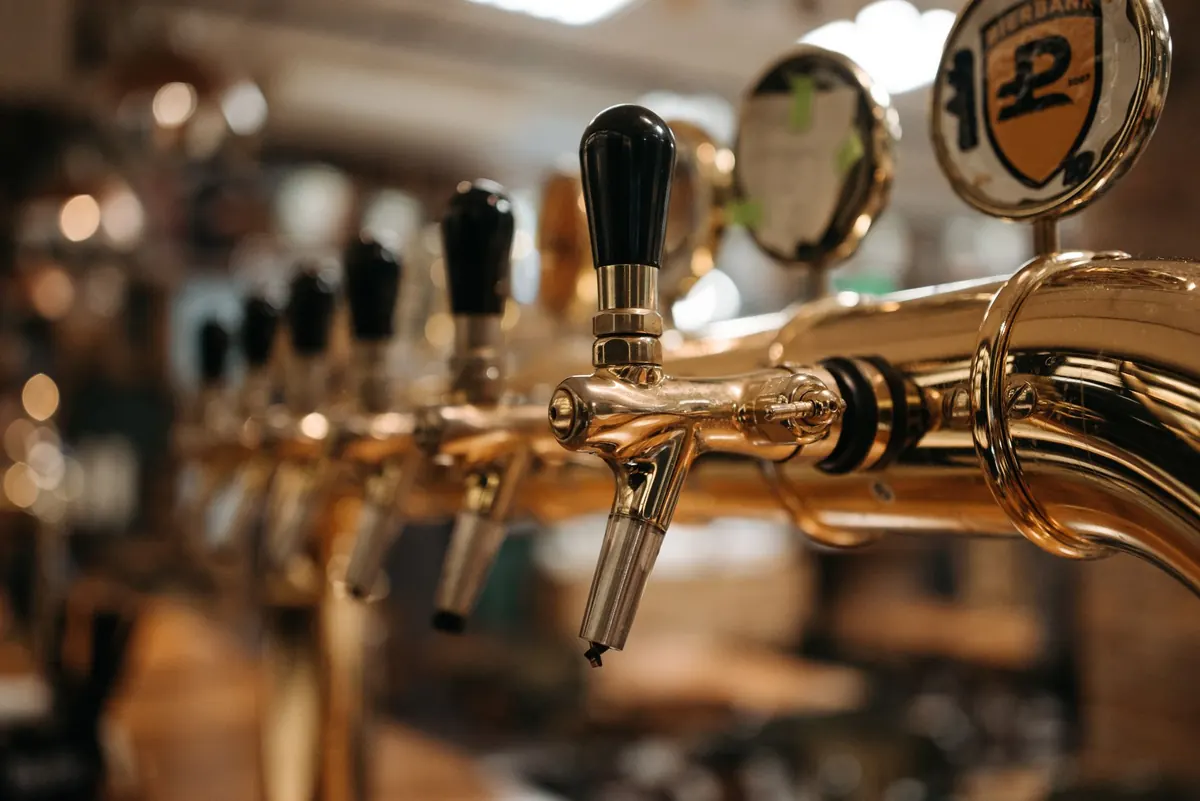
You are at the bar. On the left, a row of handpumps with clip art that looks like it came off a 1970s typewriter. On the right, sleek keg fonts promising a pilsner brewed three counties away. Both are beer. Both can be excellent. They behave differently in the glass, though, and knowing which one suits the next hour is the difference between a pint you remember and one you forget before the glass is empty.
Cask ale and craft lager are not rivals so much as two approaches to the same drink. One is alive and changing by the hour. The other is built for consistency, served cold and bright. Here is what actually separates them, and how to choose well tonight.
What Each One Actually Is
Cask ale finishes fermenting in the container it is served from. The brewer racks it into a cask with a little live yeast and a touch of priming sugar, and the beer conditions on the journey to the pub and in the cellar. Once tapped, it is pulled through a handpump or poured straight from the cask by gravity. It is not pushed with gas, not pasteurised, and it has a short life once opened — often three or four days, less in warm weather.
Craft lager is brewed with a lager yeast at cool temperatures, then conditioned cold for weeks, a slow process that smooths the rougher edges of fermentation. The brewery kegs it, carbonates it and drives it to the tap with gas. Modern craft versions are not the neutral pale stuff of the 1990s: many are dry-hopped, brewed as pilsner or Helles, and hoppier than plenty of bitters.
The freshness variable
Cask is a perishable product handled by humans in a cellar. A dull, cardboardy or vinegary pint usually means a cask past its best, a line that needs cleaning or a cellar running too warm — not a flawed style. Keg lager is far more forgiving, which is why a mediocre pub can still pour a decent one. The flip side: a neglected keg line tastes of almost nothing, or faintly of cleaning fluid.
Flavour: Where They Diverge
Cask ale leads with malt and yeast. You get biscuit, toffee, nuts, dried fruit, sometimes a soft sulphur note in a good bitter. Hop bitterness is present but rounded, and the aroma arrives gently rather than hitting you from a foot away. The beer also changes as it sits: the first pull from a fresh cask is often the brightest and bitterest, while later pints from the same cask taste rounder and sweeter. Day two or three is usually the sweet spot.
Craft lager leads with fermentation cleanliness and hop definition. The malt is there — cracker, bread crust, a touch of honey in a Helles — but it plays second fiddle to a crisp, dry finish and hops that read as citrus, grass, herbal spice or stone fruit. Bitterness is snappier and the finish shorter, which makes the next sip arrive sooner than you expect.
A well-kept cask is a moving target and worth chasing. A well-kept lager is a fixed point and worth trusting.
Serving Temperature and Why It Matters
Cask ale should arrive cool, not cold — roughly cellar temperature, so around 11–13°C. Warm it further and it goes flabby and dull; chill it hard and you lose most of the malt aroma and the subtlety you paid for. If your pint feels too cold, cup your hands around the glass and give it five minutes. It will improve noticeably.
Craft lager is best somewhere between 3°C and 6°C, with hoppier versions served slightly warmer so the aroma can escape. Serve it too cold and you taste carbonation and little else; serve it too warm and it turns syrupy and flat. Pubs get this wrong in both directions, so if a lager tastes like nothing, ask whether the line is running cold enough and whether that keg went on recently.
Carbonation: Soft Versus Bright
Cask ale carries very little dissolved gas, which is why it feels soft on the tongue and why a sparkler or a hard pour from height is used in the north to build a tight, creamy head. The low carbonation makes it easier to drink across a long session and less likely to leave you bloated after two pints.
Lager is carbonated hard, and that fizz does real work: it scrubs fat off the palate, lifts aromatics and makes a sharp, refreshing pint out of something quite simple. It also fills you up faster, and the gas can mask a beer that is thin or poorly made.
Food Pairings That Work
The governing rule is simple: match the weight of the beer to the weight of the food, and use carbonation to cut through fat.
- Best bitter with roast beef, steak and ale pie or mature cheddar. The malt and earthy hops stand up to rich, savoury flavours.
- Golden ale with fish and chips, chicken or a light ploughman's. Enough bite for batter, not so much that it flattens the fish.
- Dark mild or porter with sausages, mushroom dishes and game. Roast and dried-fruit notes meet earthy, browned food.
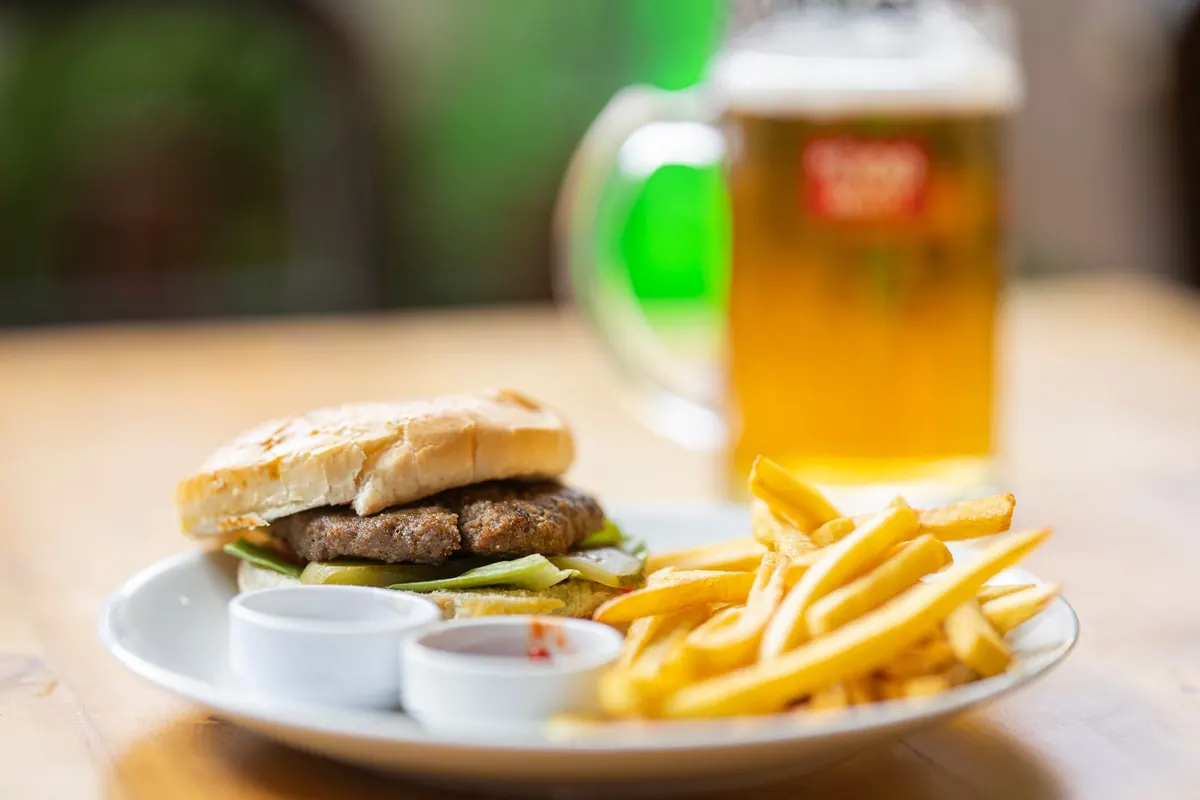
- Crisp pilsner with shellfish, pizza and fried anything. The fizz resets your palate between mouthfuls.
- Hoppy craft lager with Thai, Indian or Mexican food. Clean bitterness and citrus aroma handle chilli better than most ales.
How to Choose Tonight
- Ask what is fresh. Bar staff know which cask went on yesterday. That is the pint to order.
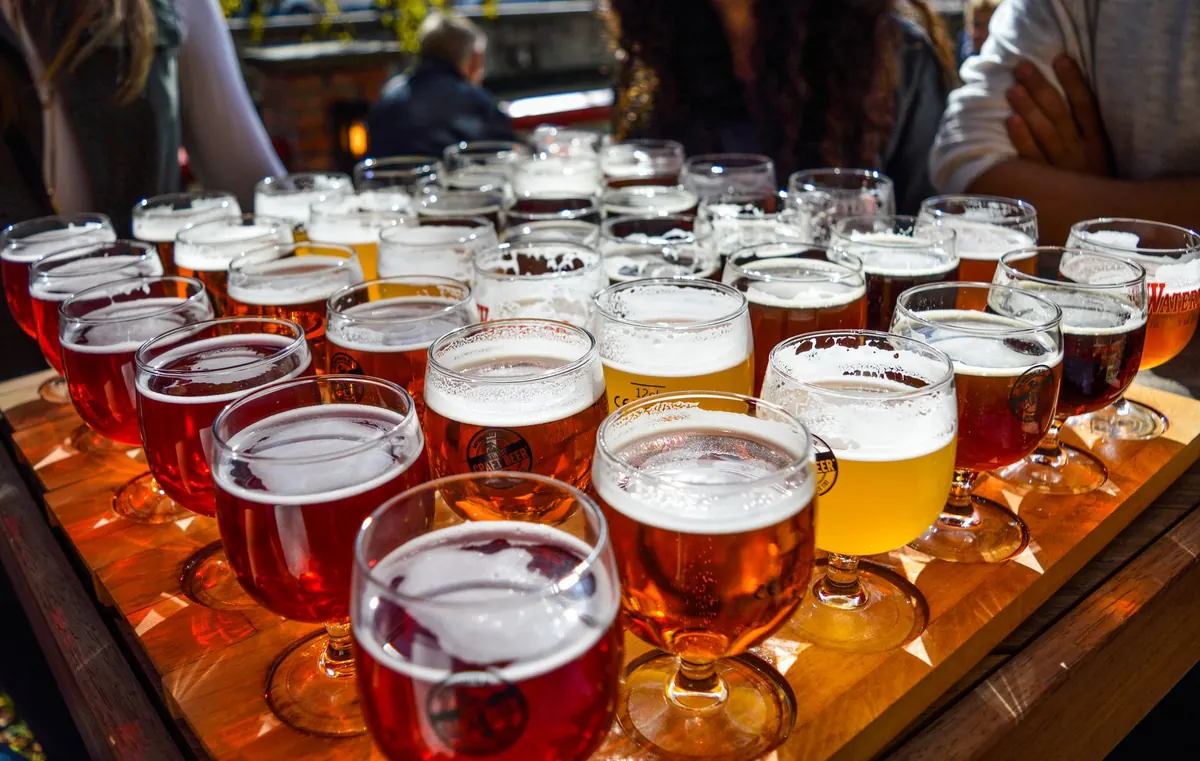
- Look before you commit. Cask should be bright with a settled head; lager should have visible bead and a head that does not vanish in a minute.
- Think about pace. A 3.8% bitter suits three hours of conversation. A 5.4% hoppy lager is a two-pint proposition.
- Match the moment. First pint before dinner, or a hot afternoon: lager. Settling in by the fire with a pie: cask.
- Do not be shy about a taster. Most pubs will pour a mouthful of cask if you are genuinely undecided.
Drinking Well, Either Way
Both styles reward the same habits: eat something, alternate with water, and keep an eye on strength, because a session on 5%-plus lager catches up faster than the same number of cask pints at 4%. If you are driving, check the limit where you are rather than assuming, and if you take medication or have a health condition, take proper medical advice before deciding what you drink. The best pint in the pub is the one you chose deliberately — and the one you can still taste the next morning when you think about it.
Photo: Pavel Danilyuk / Pexels