

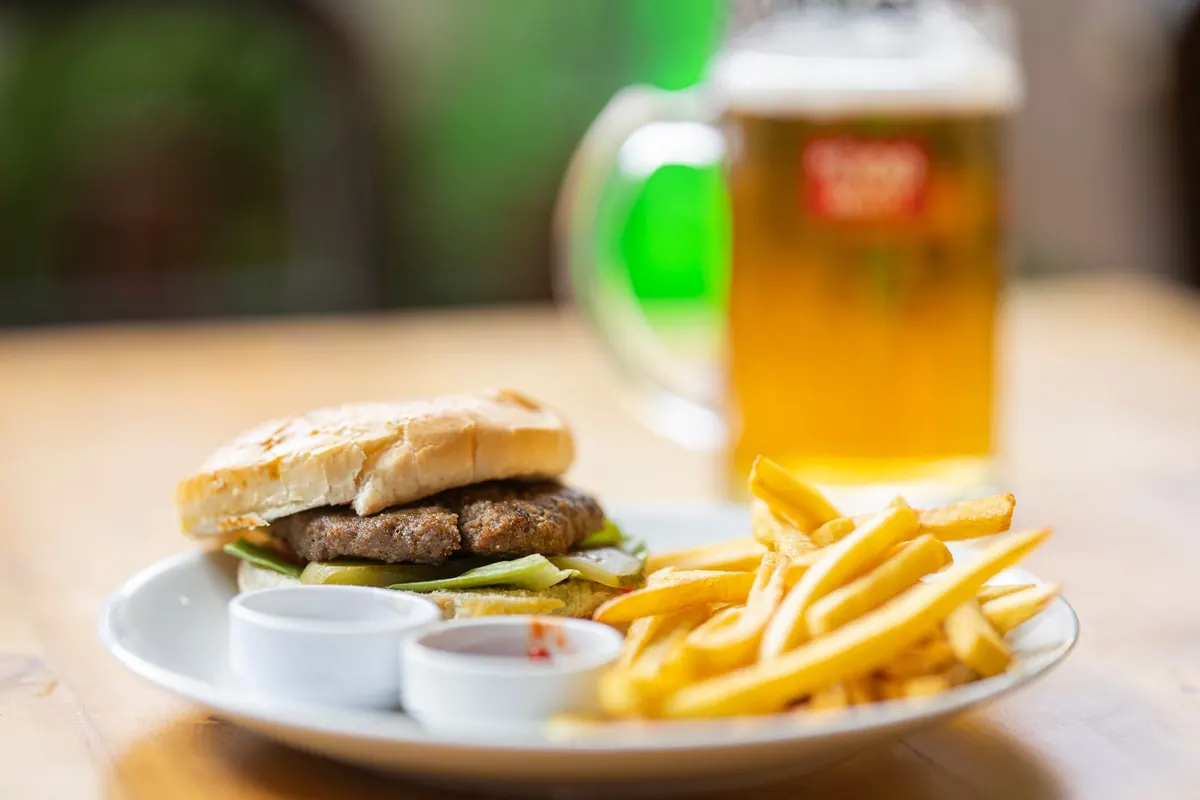
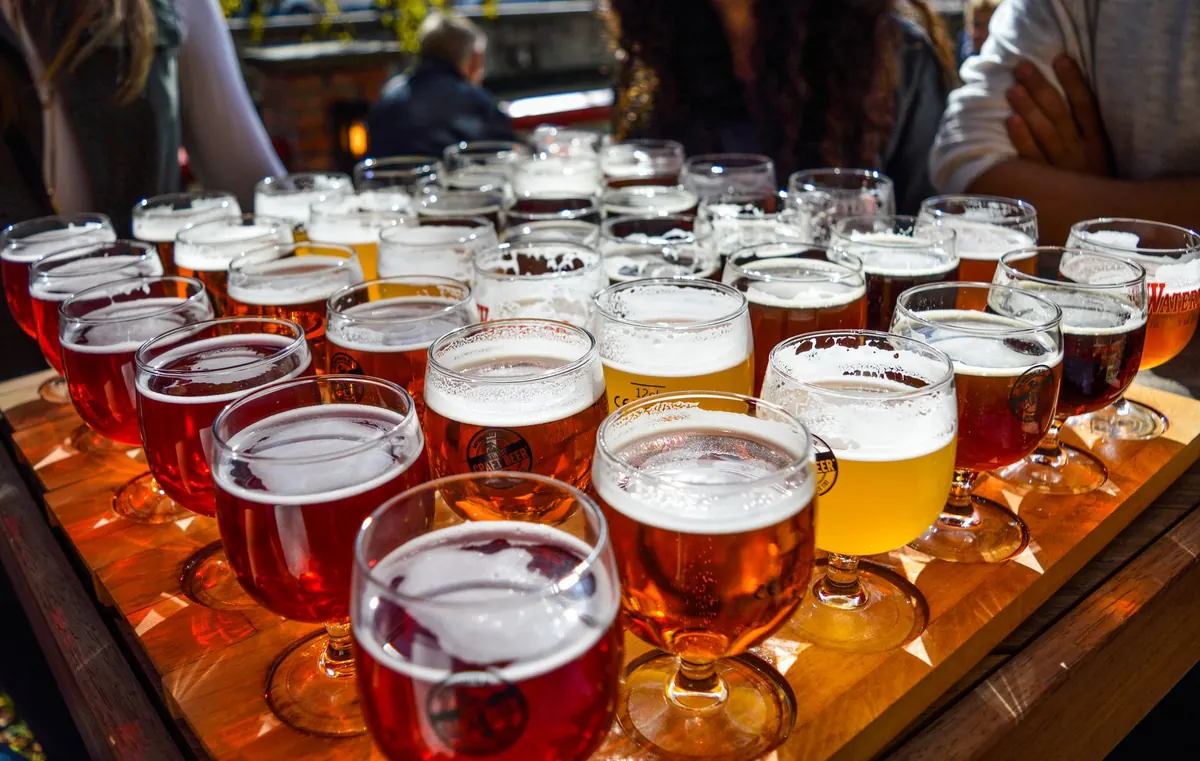
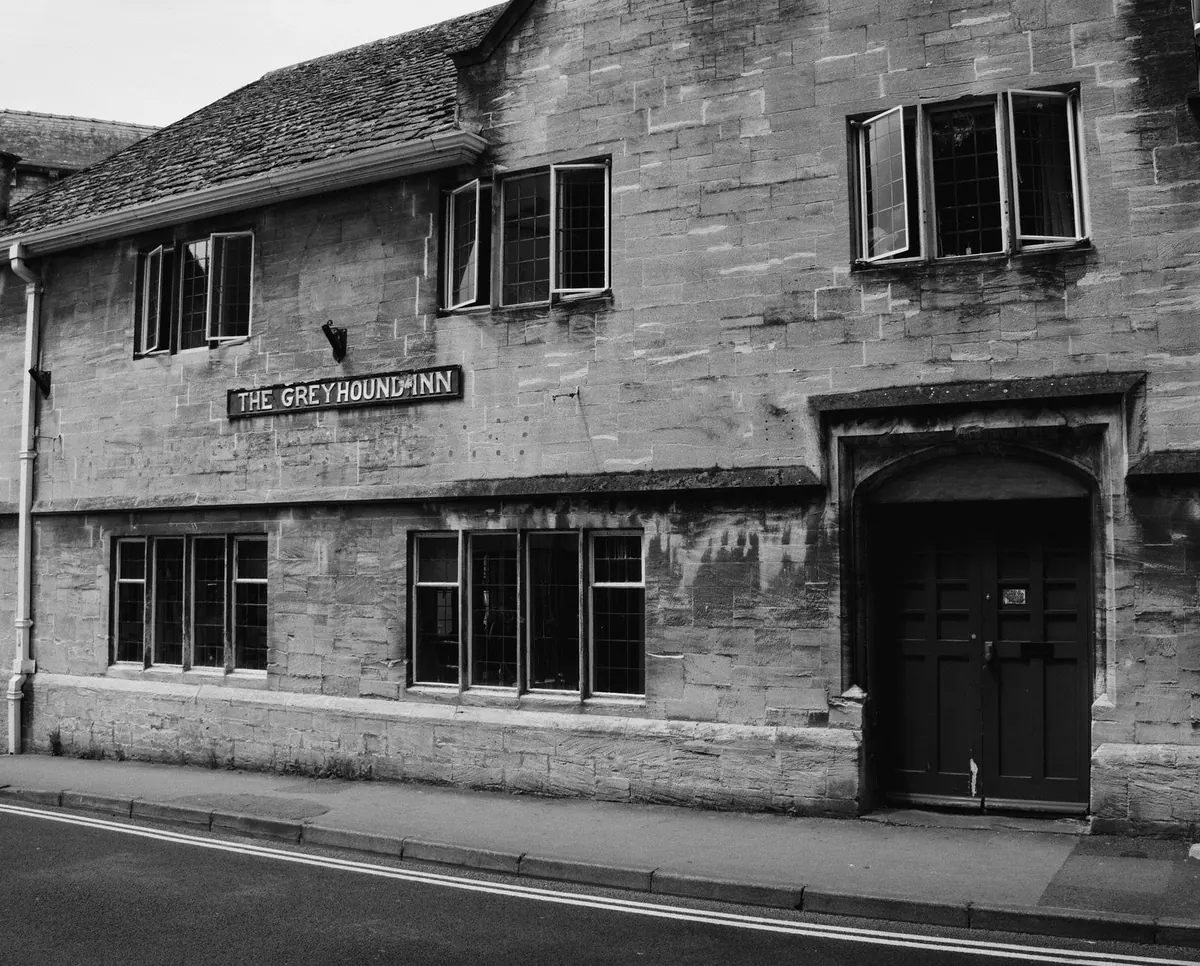
The table at a coaching inn in 1750 was a long one. You paid a fixed price, took the seat you were given, and ate whatever the kitchen had made that day, next to strangers heading the same way as you. Three centuries later you might sit at a smaller table, choose between a pie and a plate of grilled mackerel, and pay rather more for the privilege. Both meals are pub food. The line between them explains most of what is written on the blackboard tonight.
Ale, Bread and the Working Day
The English pub began as a place to drink. Alehouses sold beer brewed on the premises, often by a widow who needed the income, and food was incidental: bread, cheese, a rasher of bacon, maybe an onion. Nobody went to an alehouse for dinner. They went for the jug, the fire and the company.
Inns were the ones with kitchens, because inns served travellers and travellers arrive hungry. A medieval or Tudor innkeeper was obliged to feed guests, and the cooking was plain and seasonal: pottage, roast meat, bread, cheese, whatever the garden and the salt barrel allowed. Even then, the gap between the paying guest and the local drinker was structural. The inn had a table for people staying; the alehouse had a bench and a barrel.
The Coaching Inn and the Common Table
Coaching inns turned feeding people into a timetable. When the stagecoach ran to a schedule, the kitchen had to run to the same one. A landlord who could get forty passengers fed, watered and back on the road in an hour kept the custom, and the mail contracts along with it.
So the meal became an ordinary: a fixed price, a fixed hour, a set menu, a shared table. You sat where you were pointed at. You ate roast meat, a boiled pudding, bread, cheese and a glass of something, then you paid and left. There was no choice, and that was the feature rather than the fault. It was fast, predictable and reasonably priced, which is roughly what a modern pub lunch is still trying to be.
When the railways arrived in the 1830s and the coaching trade collapsed, many of those inns kept their kitchens and lost their dining rooms. Some turned into hotels. Some simply became large pubs with a room out the back.
The Victorian Pub and the Pie on the Counter
Industrial towns reshaped pub eating again. With the Beerhouse Act of 1830, it became cheap and easy to open a small house selling beer, and thousands did. These places had no kitchen to speak of and no room for one. Eating moved to the counter, and it shrank.
A pie kept warm, a sandwich, a pickled egg, a bag of scratchings, a wedge of cheese with a crust. Food was bought to support the drinking, not to be the occasion. It was salty, quick and wrapped in paper. That instinct — food as an accompaniment, something you eat standing up with a glass in your other hand — has never entirely left the pub.
Austerity and the Return of the Menu
Rationing in Britain lasted through the 1940s and well into the 1950s, and pubs were not exempt from it. For years the food offer was thin, and landlords concentrated on beer and on keeping the building standing.
The 1960s changed the economics. Rising wages, cars, package holidays and a taste for foreign food all pushed at the pub. Steakhouses showed that Britons would pay to eat out in a setting that wasn't grand, and pubs copied them with enthusiasm: prawn cocktail, steak and chips, scampi, Black Forest gateau, chicken in a basket. The laminated menu arrived. So did the idea that food could be a profit centre rather than a favour, which mattered as beer volumes began their long slow decline.
Not all of it was good. Freezers, microwaves and a central supply chain flattened pub menus for a generation, and by the late 1980s you could drive a hundred miles and eat the same chicken Kiev at the end of it.
The Gastropub Turns Up
The reaction started in London in the early 1990s. The Eagle on Farringdon Road is the one usually credited with showing what was possible: a battered pub with a grill, a short menu, one dish changed daily, written up on a board, cooked by people who had trained in restaurants and could not afford to open one.
The formula spread because it was cheap to copy and it worked. The good versions kept the bar, kept the beer, kept the dog and the regulars, and simply cooked properly. The bad versions gave the form a bad name: chips served in a mug, lazy "hand-cut" claims, a burger priced like a Sunday roast. The word gastropub became something some operators ran away from.
What survived the fashion is the substance. A pub that cooks well is now a normal thing to expect, not a novelty, and most of the best pub kitchens pinch from both ends of this history: the coaching inn's confidence with a roast, and the modern kitchen's habit of buying well and doing less to it.
What Didn't Change
Strip out the dates and a few things run straight through from the 1700s to now:
- The room does the work. A pub dining room with a bar still in it feels different from a restaurant, and people order differently in it.
- Drink and food share a table. The beer list and the menu are one document in spirit. A pub that ignores that is just a restaurant with a bad room.
- Generosity and value. Large portions at a fair price are not a modern marketing trick; the ordinary was built on exactly that.
- Local and seasonal isn't new. The coaching inn cooked what was in front of it. The best gastropubs do the same, with better suppliers.
- You can still just have a pint. The moment a pub makes drinkers feel like they're in the way, it has broken something.
How to Eat Well in a Pub Tonight
Read the room before you read the menu. A short menu, changed often and written by hand, usually means a kitchen cooking rather than assembling. A very long one, in a small kitchen, usually means the freezer is doing the work. If the board is on the wall, order from the board.
Ask what's made on site — pies, terrines, pickles, chips, a sauce that isn't from a tub. Ask what the kitchen does well and what's moving today; staff will tell you, and the answer is often better than the menu's most expensive line.
Match the beer to the food. A bitter with a pie, something crisp and cold with fried fish, a stout with a pudding. Pub beer and pub food grew up together and still flatter each other more reliably than most wine lists manage.
Decide what kind of evening you want and sit accordingly. The bar for noise, company and a quick plate; the back room for a long meal. Both are legitimate uses of a pub, and the good ones make room for both.
Finally, if you have an allergy or a dietary restriction, ask a person rather than trusting the board. Pub menus change daily, blackboard descriptions are not ingredient lists, and a kitchen that cooks from scratch needs to hear from you directly.
Photo: Engin Akyurt / Pexels